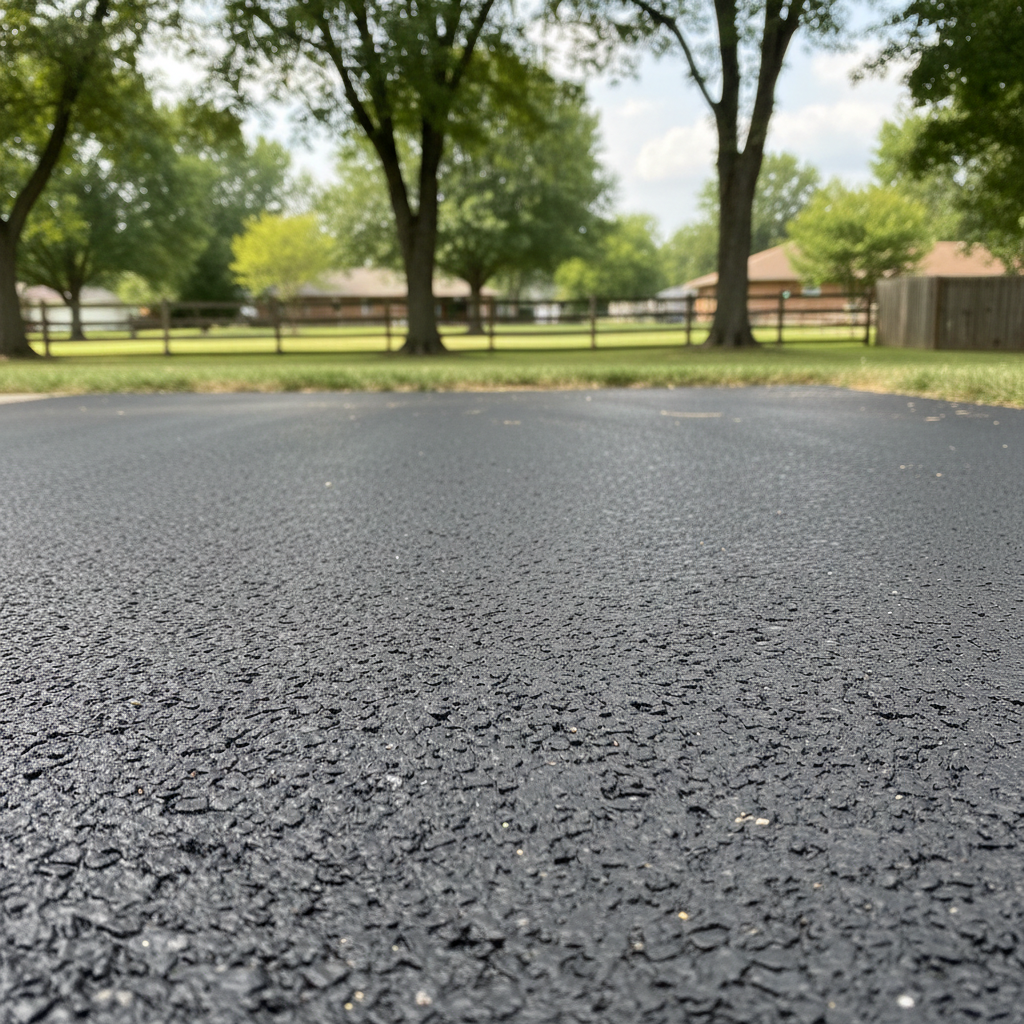
Alright, let's talk asphalt patching. I get a lot of questions from folks around Springfield, Nixa, Ozark — you name it — about what's going on with their driveways. Usually, it's when they spot a new crack or a pothole's decided to make itself at home. So, I figured I'd lay out some of the most common questions I hear and give you the straight scoop. No fancy talk, just what you need to know, plain and simple.
What's the difference between a 'patch' and a 'repair'? Are they the same thing?
Good question, and yeah, people use these terms interchangeably a lot. But there's a subtle difference in how I think about it. When I say 'patch,' I'm usually talking about fixing a specific, isolated problem area — say, a pothole, a small section of alligator cracking, or a utility cut. It's about taking out the damaged asphalt and putting new material in just that spot. 'Repair' is a broader term. It could include patching, sure, but it might also cover crack sealing, sealcoating, or even minor drainage adjustments to stop future damage. So, a patch is a type of repair, but not all repairs are just patches. Most homeowners are looking for a patch when they see a distinct problem area, you know?
How long does an asphalt patch usually last here in Missouri?
That's the million-dollar question, isn't it? The truth is, it depends on a few things. First, the type of patch. A temporary cold patch you buy at the hardware store? That's just a band-aid; it might last a few months, especially with our freeze-thaw cycles here in the Ozarks. A professional hot asphalt patch, done right — where we cut out the bad stuff, prepare the base, and compact new hot mix? That can last for years, sometimes even a decade or more. It really depends on the traffic it sees and how well the rest of the driveway is maintained. If the underlying base is stable and the patch is sealed properly, it's got a good shot. But remember, a patch is only as good as the surrounding pavement. If your whole driveway is failing, patches are just buying you time.
Can you patch over existing cracks or potholes, or do you have to cut them out?
You know, some folks try to just dump new asphalt on top of a pothole, or smear it over cracks. Don't do that. It's a waste of time and money. For a lasting repair, you absolutely have to cut out the damaged section. If you just patch over a crack, that crack is still there underneath, and it's going to telegraph right back through your new patch as soon as the weather changes. Same with a pothole — if you don't remove the loose debris and unstable edges, and properly compact the base, that new material isn't going to bond. You'll just have another pothole in no time. We always recommend a 'cut and patch' method for anything beyond minor surface cracks that can be sealed.
What's the deal with 'alligator cracking'? Can that just be patched?
Ah, alligator cracking. You know, those interconnected cracks that look like an alligator's skin? That's a sign of a bigger problem, usually a failure in the base layer beneath the asphalt. It means the pavement isn't supporting the weight it's carrying, and it's flexing and breaking. You *can* patch sections of alligator cracking, but it's often a temporary fix if the underlying issue isn't addressed. If you've got a small, isolated area, a full-depth patch where we dig down and fix the base might work. But if it's widespread, patching might just be delaying the inevitable need for a larger repair, like an overlay or even a full replacement of that section. It's a symptom, not just a surface issue, after all.
How does the weather here in Springfield affect asphalt patching?
Weather is huge, especially here in Missouri. You've got your hot, humid summers and your freezing, wet winters. We can't really do hot asphalt patching when it's freezing cold because the material cools too fast and won't compact properly. It needs to be warm enough for the asphalt to stay pliable during installation and compaction. Ideally, we're looking for temperatures above 50°F (10°C) and rising. Rain is also a no-go. You can't lay asphalt on a wet surface; it just won't bond. So, those beautiful spring and fall days? That's prime time for patching. Summer can work too, but you've got to be careful with afternoon thunderstorms. We're always watching the forecast closely when scheduling work for Premium Asphalt Solutions.
My driveway is old and has a bunch of small cracks and faded spots, but no big potholes. Is patching the right solution?
If you've got a lot of small cracks spread out, and the surface is just looking tired and faded, patching probably isn't your best bet. Patching is for specific, localized areas of failure. What you're describing sounds more like general wear and tear, surface oxidation, and minor cracking. For that, you'd usually be looking at crack sealing for any individual cracks, followed by a good sealcoat. Sealcoating protects the surface, replenishes the binders, and gives it a fresh, black look. It's like putting sunscreen on your driveway. Patching won't address the overall aging of the pavement. Think of it this way: you wouldn't patch a sunburn, you'd use lotion and protect your skin. Same principle.
After a patch is done, do I need to do anything special to maintain it?
Absolutely, you do. A patch, even a good one, is still a new section of asphalt in an older pavement. The most important thing you can do is keep an eye on it. Make sure water isn't pooling around the edges. If you get your driveway sealcoated every few years, that's a great way to help blend the patch in and protect both the new and old asphalt. It also helps seal any tiny hairline cracks that might develop around the patch's edges. Just like you maintain your car after a repair, you should maintain your driveway. Good drainage and regular sealcoating are key to getting the most life out of your patches and your whole driveway.