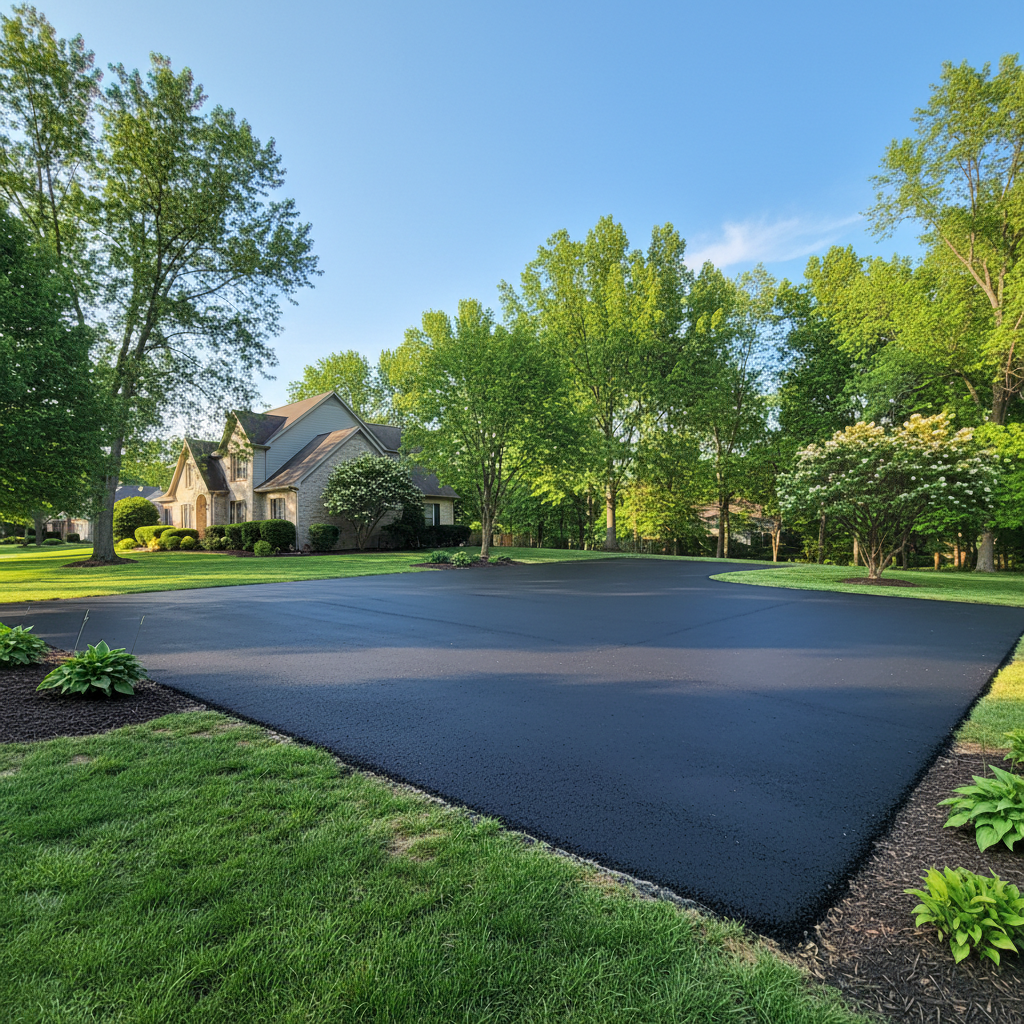
Your commercial asphalt isn't just a surface; it's a big investment. It's often the first thing customers see when they pull up to your business. You wouldn't ignore the roof on your building, right? Same goes for your pavement. Here in Springfield, with our wild freeze-thaw cycles and sometimes heavy summer rains, that asphalt really takes a beating. If you want it to last, you've gotta take care of it.
Extending Your Pavement's Life: It's Not Rocket Science
Look, the goal isn't just to fix problems as they pop up; it's to prevent them. Think of it like changing the oil in your car. Regular, proactive maintenance is what really stretches your dollar. We're talking about getting ahead of the curve.
- Sealcoating: This is like sunscreen for your asphalt. It protects against UV rays, water getting in, and even oil spills. It's a sacrificial layer that wears down over time, saving your actual asphalt from damage. For commercial properties, I usually recommend sealcoating every 2-3 years, depending on traffic and how much sun it gets. Don't wait until it looks faded and brittle.
- Crack Sealing: This is probably the most critical thing you can do. Cracks are like open wounds. Water gets in there, freezes, expands, and then boom – you've got a pothole. Get those cracks filled as soon as they appear. Small cracks are cheap to fix; potholes are expensive. It's that simple.
- Proper Drainage: Water is asphalt's worst enemy. If you've got standing water on your lot after a rain, you've got a problem. This can lead to the ground underneath washing away and early failure. Sometimes it's a simple fix, like clearing a clogged drain. Other times, it might mean adjusting grades or adding catch basins. We often see issues in older commercial areas around Glenstone where the original drainage wasn't designed for today's traffic loads.
What Regular Maintenance Looks Like
Beyond the big stuff, there's daily and weekly care that makes a difference.
You should be doing regular visual inspections. Walk your lot. Seriously, just take a stroll. Look for new cracks, areas where water is pooling, or spots where the asphalt looks discolored or worn. Catching these things early saves you a ton of headache and money down the line.
Keep it clean. Debris, dirt, and gravel can hold moisture against the pavement and make it wear out faster. Plus, a clean lot just looks better for your customers. Sweeping regularly, especially after a storm, helps a lot.
Address spills immediately. Oil, gas, and other chemicals can break down the asphalt binder. If you have a leaky dumpster or a delivery truck that drips, clean that up fast.
Warning Signs You Can't Ignore
Your asphalt will tell you when it's hurting. You just need to know what to look for.
- New or Expanding Cracks: Like I said, these are open invitations for water. If you see cracks spiderwebbing or getting wider, don't put it off.
- Potholes: These are beyond a warning sign; they're a full-blown emergency. They're dangerous for vehicles and pedestrians, and they'll only get bigger.
- Faded or Graying Surface: This means the asphalt binder is oxidizing and losing its flexibility. It's becoming brittle and more susceptible to cracking. Time for sealcoating.
- Standing Water: After a rain, if you've got puddles that don't drain within an hour or two, that's a red flag.
- Alligator Cracking: This is a network of interconnected cracks that look like alligator skin. It usually means there's a problem with the sub-base, and you're probably looking at a more significant repair, like an overlay or even a full-depth replacement in that area.
When to Call a Professional
You can handle sweeping and basic spill cleanup. But for anything that involves actual asphalt repair or protection, you need the pros. Don't try to DIY crack sealing on a commercial scale, or you'll end up with a mess that costs more to fix later. We've seen it too many times.
Call us at Premium Asphalt Solutions when you see those warning signs, or even better, before they become major problems. We can assess your lot, give you an honest opinion on its condition, and recommend a maintenance plan that fits your budget and extends the life of your investment. It's always cheaper to maintain than to replace, especially with commercial properties. Get ahead of it, and your pavement will serve your business well for years to come.