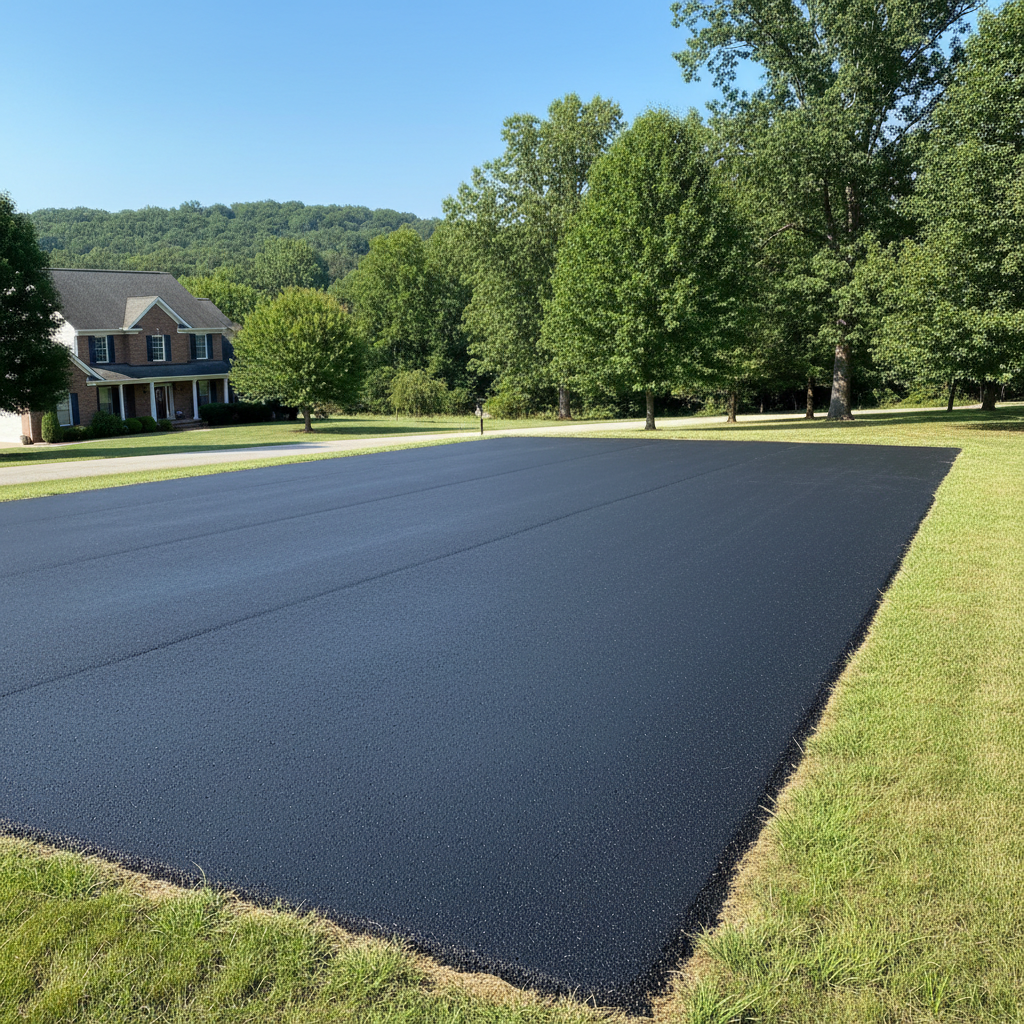
Your commercial parking lot isn't just a spot for cars; it's often the very first thing people see when they come to your business. It's a big investment, no doubt, and you want it to last. I've personally seen countless lots around Springfield, from the bustling retail centers near Battlefield Mall to the industrial parks out by the airport, and I can tell you, good, consistent maintenance is what separates a lot that holds up for 20 years from one that starts falling apart in 10. What a difference!
Making Your Pavement Last Longer
The biggest thing you can do to extend your asphalt's life is to shield it from its two main enemies: water and UV rays. Water sneaks into cracks, freezes, expands, and then boom—you've got potholes. UV rays from the sun dry out the asphalt binder, making it brittle and prone to cracking. It's truly a constant battle, especially with our wild Missouri weather – those hot, humid summers followed by freezing winters are just brutal on pavement.
- Sealcoating is Key: Think of sealcoating as sunscreen and a raincoat for your asphalt. It puts a protective layer right over the surface, blocking those damaging UV rays and stopping water from seeping in. You don't want to overdo it, of course, but a good sealcoat every 2-3 years, depending on how much traffic you get and the lot's condition, really makes a huge difference.
- Proper Drainage: This is absolutely fundamental. If water is pooling anywhere on your lot, you've got a problem brewing, period. Standing water softens the asphalt base and leads to early failure. So, make sure your catch basins are clear and that your lot is graded correctly to shed water away. We often spot issues in older parts of town where the original grading wasn't quite right, or maybe the ground has settled over time.
- Load Management: Heavy trucks and equipment put a ton of stress on asphalt. If you have areas with constant heavy traffic or parked semi-trucks, those sections really needed to be designed and built with a thicker base and asphalt layer from the start. If they weren't, you'll need to be extra vigilant with maintenance in those specific spots.
Regular Maintenance You Can't Afford to Skip
This isn't rocket science, but it does demand consistency. Staying on top of small issues now keeps them from turning into massive, expensive headaches later.
- Sweeping and Cleaning: Dirt, gravel, and other debris don't just look bad; they can actually hold moisture against the pavement and even wear down the surface over time. Regular sweeping, especially after winter, helps keep the surface clean and clear.
- Crack Sealing: This is probably the most important maintenance task, hands down. As soon as you see a crack, get it sealed. A hot-applied crack sealant fills the crack, stopping water from getting underneath and eroding the base. It's cheap insurance compared to fixing a pothole or, worse, an entire section of pavement. I always tell folks, a dollar spent on crack sealing saves ten dollars on patching later.
- Pothole Repair: If you do get potholes, deal with them quickly. They're not just an eyesore; they're a safety hazard and they grow fast. Cold patch is a temporary fix, sure, but hot mix asphalt repairs are what you really need for a lasting solution.
- Line Striping: Beyond just looking good, clear line striping is absolutely critical for safety and keeping traffic flowing smoothly. Faded lines confuse drivers and can easily lead to accidents. Re-striping every few years keeps your lot looking professional and completely functional.
Warning Signs You Can't Ignore
Your asphalt will definitely tell you when it's in trouble, if you just know what to look for. Don't wait until it's a full-blown disaster.
- Alligator Cracking: This looks like a series of interconnected cracks, kind of like alligator scales. It's a sign of base failure or fatigue in the asphalt layer, usually from heavy loads or poor drainage. This isn't just a surface problem; it means the structure underneath is compromised.
- Potholes and Depressions: Obvious, I know, but don't just drive over them. A pothole means water has gotten in and destroyed the underlying material. Depressions, or 'bird baths,' where water consistently pools, are also big red flags for underlying issues.
- Faded Surface: If your asphalt looks gray instead of black, it means the binder has oxidized and dried out. This makes the pavement brittle and much more susceptible to cracking and deterioration. It's a clear sign that sealcoating is overdue.
- Raveling: This is when the aggregate (the small stones in the asphalt) starts to come loose from the surface. It usually happens in older, oxidized pavement and means the surface is literally wearing away.
When to Call a Professional
Look, some things you can handle with a broom and a keen eye. Other things, though, you really need an expert for. Don't try to be a hero with a shovel and a bag of cold patch when the problem is bigger than that.
- Extensive Cracking or Alligatoring: If cracks are widespread or you're seeing alligator cracking, you need a professional assessment. We can figure out if it's a surface issue that can be fixed with an overlay or if it requires more extensive work like milling and repaving.
- Drainage Issues: If water is consistently pooling or flowing where it shouldn't, that's a job for someone who truly understands grading and drainage. Fixing this incorrectly can actually lead to even bigger problems.
- Frequent Potholes: If you're patching the same potholes over and over, or new ones are popping up constantly, it's a sign of deeper structural problems that definitely require professional repair.
- Planning a Major Overlay or Repave: For larger projects, you absolutely need experienced contractors. We'll assess the existing base, recommend the right materials and thickness, and make sure the job is done right the first time. At Premium Asphalt Solutions, we've got the equipment and the know-how to handle everything from minor repairs to full parking lot reconstructions, ensuring your investment stands up to Springfield's climate for years to come.
Taking care of your commercial asphalt isn't just about appearances; it's about protecting your investment, ensuring safety, and avoiding costly major repairs down the line. Stay proactive, and your pavement will serve your business well for a long, long time.