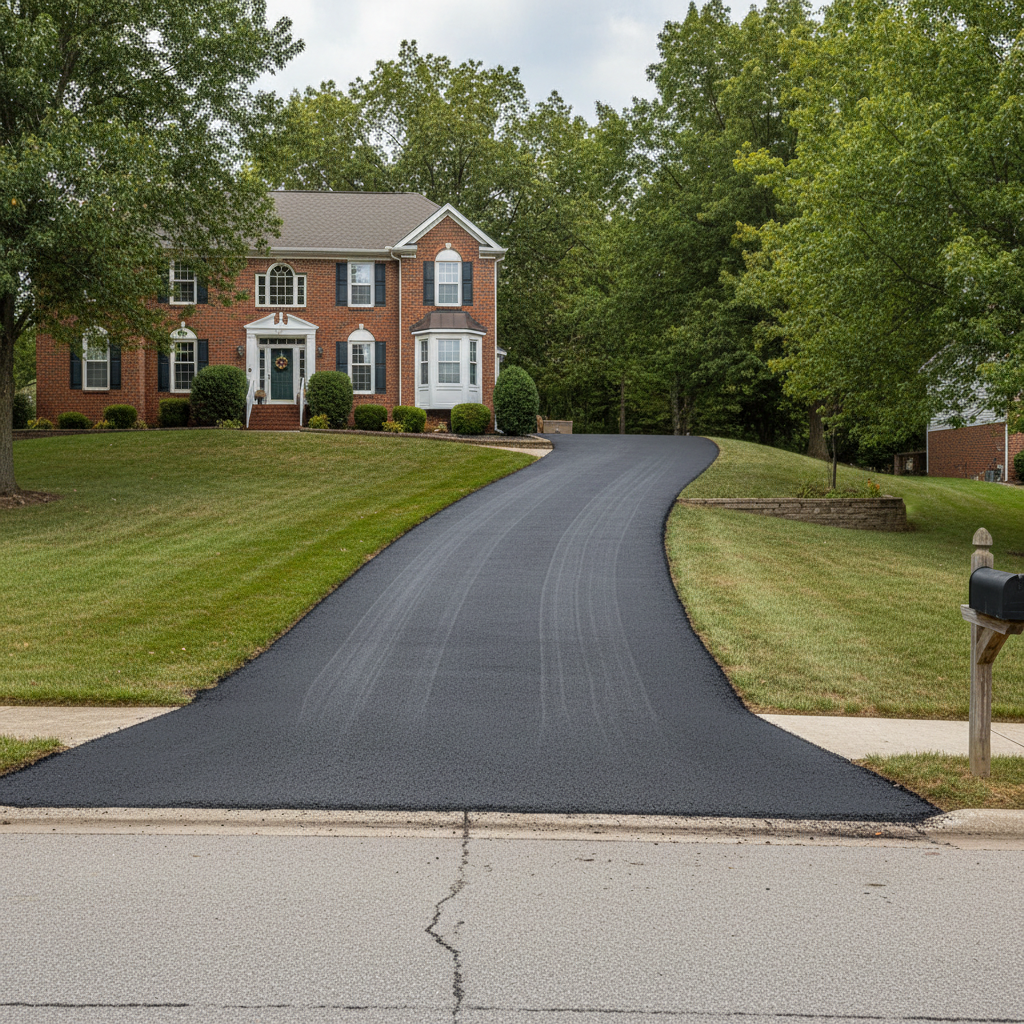
Alright, let's talk asphalt milling. It's a great solution for a lot of properties here in Springfield – cost-effective, environmentally friendly, and when done right, it gives you a solid base for a new surface. But I've seen enough projects go sideways to know there are some common mistakes folks make. You don't want to be one of them, so let's break down what to watch out for.
Ignoring the "Why" Before the "How"
This is probably the biggest one. You've got a beat-up driveway or parking lot, and you hear about milling. Great! But have you really thought about why you're milling? Is it just surface cracks? Deep structural issues? Drainage problems? Milling is fantastic for removing deteriorated asphalt and creating a stable, recycled base. But if you've got serious subgrade issues – maybe you're in an older neighborhood like Weller and the ground underneath has shifted significantly over the years – milling alone won't fix that. You need to address the root cause, or you're just putting a fresh bandage on a broken bone. A good contractor will ask you about the history of the area, what problems you're seeing, and what your long-term goals are.
Skimping on the Site Prep (Or Letting Your Contractor Do It)
Milling isn't just about grinding up old asphalt. It's about setting up the next layer for success. I've seen contractors come in, mill, and then just dump new asphalt on top without proper base preparation. That's a recipe for failure, especially with our freeze-thaw cycles here in Missouri. After milling, the base needs to be properly graded, compacted, and sometimes even treated with a binding agent. If the subgrade isn't stable, or if there are low spots that will collect water, you're going to see issues pop up faster than you can say "pothole." Don't let anyone tell you it's not necessary; it absolutely is.
Not Getting Specific About the Depth
You'd be surprised how many homeowners just say, "Mill it." Mill how deep? 2 inches? 4 inches? The depth of the milling matters a lot. If you're just taking off a thin, worn-out surface layer, a shallower mill might be fine. But if you're trying to fix significant rutting or level out a really uneven area, you'll need to go deeper. The deeper you go, the more material is removed, and the more base material you'll need to ensure proper compaction before the new asphalt goes down. Make sure your quote specifies the milling depth and that it aligns with what your property actually needs. Don't be afraid to ask questions about why they recommend a certain depth.
Falling for the "Lowest Bid" Trap Without Due Diligence
Look, I get it. Everyone wants a good deal. But when it comes to something as important as your driveway or parking lot, the lowest bid can often be the most expensive in the long run. I've seen folks go with a fly-by-night crew, and a year later, they're calling me because their "new" surface is already cracking and crumbling. Here's what to look for beyond just price:
- Proof of Insurance: Non-negotiable. If they don't have it, walk away. You don't want to be liable if someone gets hurt on your property.
- References: Ask for them. And actually call them. Ask about their experience, the quality of the work, and if the project stayed on budget and schedule.
- Detailed Proposal: Does it clearly outline the scope of work, materials, timeline, and payment schedule? If it's just a scribble on a napkin, that's a huge red flag.
- Local Presence: Do they have a physical address? A long-standing reputation in Springfield? Premium Asphalt Solutions has been around for a while, and we're not going anywhere.
Overlooking Drainage Considerations
Springfield gets its share of rain, sometimes a lot of it all at once. Proper drainage is absolutely critical for the longevity of any paved surface. When you mill, you're changing the surface elevation. If your contractor isn't paying attention to how water will flow off the new surface, you're going to end up with puddles, erosion, and premature deterioration. Make sure they have a plan for positive drainage away from your home or building. This might involve adjusting grades, installing new drains, or ensuring proper crowning of the surface.
Not Understanding the Final Surface Options
Milled asphalt creates a great base, but it's usually not the final surface. You'll typically need a new layer of asphalt on top. But sometimes, for low-traffic areas or temporary solutions, people consider leaving the milled surface as is. While milled asphalt can be compacted and used as a gravel-like surface, it's not as durable or smooth as a fresh asphalt layer. Make sure you're clear with your contractor about what the finished product will be and what your expectations are for its appearance and lifespan.
Milling can be a fantastic investment, but only if it's done right. Don't rush into it, ask a lot of questions, and make sure you're working with a reputable contractor who knows their stuff. Your driveway (and your wallet) will thank you for it.