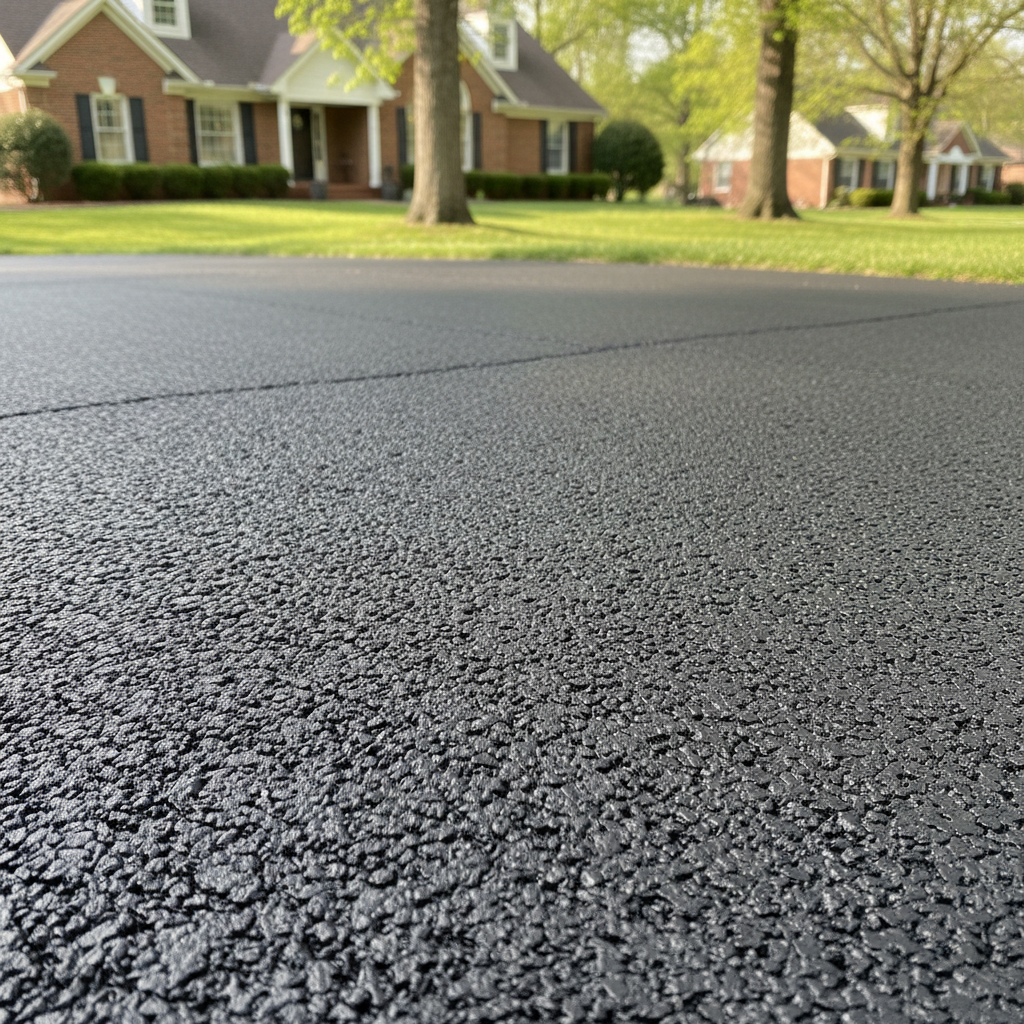
So, you're looking at your driveway and thinking it's seen better days, huh? Or maybe you're building new and need to put one in. Whatever the reason, getting a new driveway or even just repairing an existing one can feel like a big job. And honestly, it often is. But it doesn't have to be a mystery. As a local contractor, I've seen all sorts of driveways around Springfield, from the older homes near Phelps Grove Park to the newer developments out south, and I can tell you what works and what doesn't.
Before You Start: Planning and Prep
First off, let's talk about what you can do before anyone even breaks ground. This is where you save yourself headaches and money down the line. The biggest thing you need to figure out is what kind of driveway you want. Asphalt? Concrete? Gravel? Each has its pros and cons, especially with our Missouri weather cycles – those hot summers and freezing winters really put a beating on surfaces.
If you're thinking asphalt, which is what we specialize in at Premium Asphalt Solutions, you'll want to consider the sub-base. This is crucial. A good, stable sub-base means your driveway will last. If your soil is mostly clay, like a lot of what we have around here, drainage is a huge factor. You don't want water sitting under your new asphalt, freezing and expanding, then thawing and eroding. That's a recipe for cracks and potholes, and nobody wants that a year after installation.
Can you do some of this prep yourself? Absolutely. Clearing the area, marking out the driveway, even some basic grading if you're comfortable with equipment. But when it comes to serious excavation, sub-base compaction, and ensuring proper drainage slopes, that's usually where you want a pro. We've got the heavy machinery and the know-how to get that foundation right. Mess up the base, and the surface won't matter much.
During the Project: What to Expect
Okay, so you've got your plan, maybe you've hired a crew (hopefully us!). What happens next? If it's a full replacement, we'll start by tearing out the old stuff. This is loud, dusty work, and it generates a lot of debris. Then comes the grading and sub-base work I mentioned. We'll lay down and compact layers of aggregate to create a solid foundation. This isn't just throwing rocks down; it's a precise process to ensure even support.
For asphalt, once the base is ready, we'll bring in the hot asphalt mix. This stuff is hot, like 300 degrees Fahrenheit. It gets spread evenly and then compacted with heavy rollers. It's pretty cool to watch, actually. The key here is getting the right thickness and density. Too thin, and it won't hold up. Not compacted enough, and it'll break down fast. This part is definitely not a DIY job. You need specialized equipment and experienced operators to get it right. Trying to do this yourself would be like trying to build a house with a hammer and a screwdriver – you'll just end up with a mess and a lot of wasted money.
If it's just repairs, like patching potholes or crack sealing, that's where you might have some DIY options. Small cracks? You can get crack filler at the hardware store. Small potholes? There are cold patch products. But understand, these are temporary fixes. They'll get you by for a bit, but they aren't permanent solutions, especially for larger issues. If you've got extensive cracking or alligatoring, that means the problem is deeper, and it's time to call us in for a proper assessment and repair.
After the Paving: Maintenance is Key
Alright, your new driveway is in, and it looks great. Now what? Your job isn't over. Proper maintenance is what's going to extend its life and protect your investment. For asphalt, you'll want to sealcoat it. Think of sealcoating like sunscreen for your driveway. It protects it from UV rays, water penetration, and even chemicals like oil and gas spills. We usually recommend sealcoating a new asphalt driveway within its first year, and then every 2-3 years after that, depending on traffic and exposure. This is a job some homeowners tackle themselves, and you can. You can rent equipment or buy the materials. But it's messy, takes time, and getting an even, professional-looking coat can be tricky. If you want it done right and don't want to spend a weekend scrubbing asphalt sealer off your shoes, consider hiring it out.
Beyond sealcoating, keep it clean. Sweep off leaves and debris. Don't let oil or gas spills sit – clean them up quickly. And in winter, be mindful of de-icing salts. Some can be harsh on asphalt. Shovel snow promptly to prevent ice buildup. A little bit of attention goes a long way in keeping your driveway looking good and lasting for years.
Ultimately, a good driveway is a big part of your home's curb appeal and functionality. Do your homework, know your limits, and don't be afraid to call in the pros when the job calls for it. We're here to help Springfield homeowners get the best possible results.