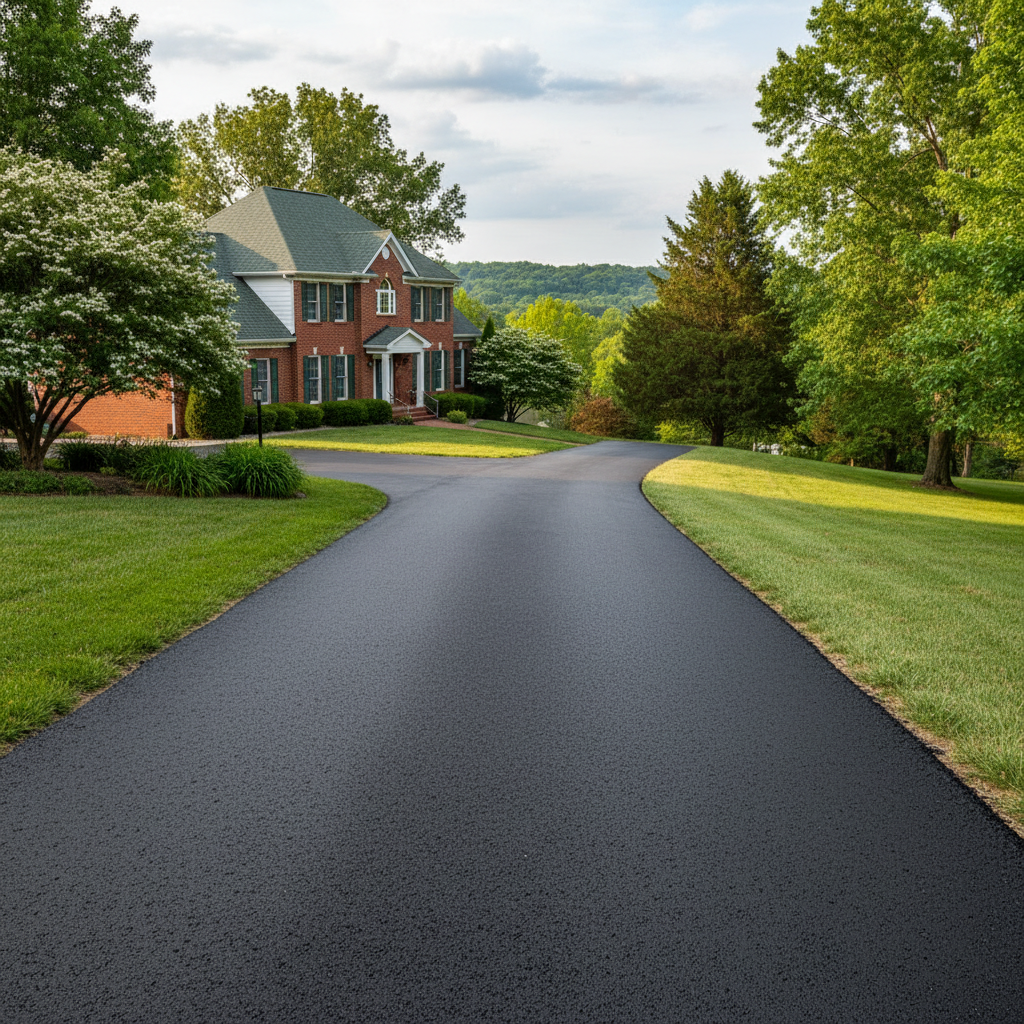
You just invested in a brand new driveway, or maybe you've got an older one that's still doing its job but needs some love. Either way, you want it to last, right? Down here in Springfield, our weather can be brutal on asphalt and concrete. We get those scorching summers, freezing winters, and then the freeze-thaw cycles that really do a number on paved surfaces. So, let's talk about how you can keep your driveway in top shape and avoid costly repairs down the line.
Extending Your Driveway's Lifespan: It's Easier Than You Think
The biggest thing you can do to extend your driveway's life is pretty simple: protect it from the elements and heavy loads. For asphalt, that means regular sealcoating. Think of sealcoat like sunscreen for your driveway. It protects against UV rays, which dry out the asphalt and make it brittle, and it also repels water and oils. I usually recommend sealcoating every 2-3 years, depending on traffic and how much sun it gets. If your driveway is always shaded, you might stretch it a bit longer. If it's baking in the sun all day, stick to the shorter end of that timeframe.
For concrete driveways, sealing is also important, but it's a different product. You're looking for a penetrating sealer that helps prevent moisture absorption and protects against de-icing salts, which are a major culprit for concrete spalling and cracking around here. You'll want to reapply that every 3-5 years, maybe more often if you use a lot of salt in the winter.
Another big one? Watch what you park on it. Heavy RVs, trailers, or commercial vehicles sitting in the same spot for weeks can cause depressions, especially in asphalt. Try to move them around if you can, or consider a dedicated parking pad for those heavier loads.
Regular Maintenance: Your Driveway's Best Friend
Beyond sealing, there's some basic stuff you should be doing. Keep it clean. Sweep off dirt, leaves, and debris regularly. Those things can trap moisture and break down the surface over time. If you spill oil or gas, clean it up immediately. Those chemicals eat away at asphalt binders and can stain concrete permanently. A good scrub with a stiff brush and some degreaser usually does the trick for fresh spills.
For weeds, don't let them take root in cracks. That's a surefire way to make a small crack a big problem. Pull them out or use a weed killer. Just be careful with harsh chemicals near your landscaping.
In winter, be smart about snow and ice removal. If you have an asphalt driveway, avoid using metal shovels or plows that can scrape the surface. Plastic shovels are much gentler. For de-icing, be cautious. Calcium chloride is generally less damaging than rock salt (sodium chloride) for both asphalt and concrete, but moderation is key. Too much of anything isn't good.
Warning Signs: What to Look Out For
Your driveway will usually tell you when it's got a problem if you know what to look for. Don't ignore these things, because they almost always get worse.
- Cracks: Small, hairline cracks are normal, especially as asphalt ages or concrete settles. But if you see cracks widening, connecting, or forming a spiderweb pattern (alligator cracking), that's a red flag. These let water seep in, and with our freeze-thaw cycles, that water expands and contracts, turning small cracks into potholes.
- Potholes: These are obvious. They start as small depressions and quickly grow. They're not just ugly; they're a tripping hazard and can damage your car's suspension.
- Fading or Discoloration: For asphalt, if it's looking gray instead of black, that means the binder is drying out and it's losing its flexibility. For concrete, significant discoloration could indicate water issues or chemical exposure.
- Pooling Water: After a rain, if you have puddles that don't drain within a few hours, you've got a drainage problem. This can lead to accelerated deterioration of the pavement and even foundation issues for your home.
- Sinking or Uneven Sections: If parts of your driveway are noticeably lower than others, or if you see a dip where there wasn't one before, that points to a sub-base issue. The ground underneath isn't stable, and the pavement is following suit. This is common in areas with reactive clay soils, like some parts of Springfield, especially after heavy rains or prolonged dry spells.
When to Call a Professional
Look, some things you can handle yourself, but others really need an expert. If you're seeing any of those warning signs I just mentioned, especially widespread cracking, potholes, or significant sinking, it's time to call someone like us at Premium Asphalt Solutions. Don't wait until it's a full-blown reconstruction job. Catching problems early with professional crack filling, patching, or even resurfacing can save you a ton of money.
If you're unsure, just give us a call. We're happy to come out, take a look, and give you an honest assessment of what your driveway needs. Sometimes it's a simple fix, sometimes it's more involved, but you'll always know where you stand. Taking care of your driveway is just another part of keeping your home in great shape, and it pays off in the long run.