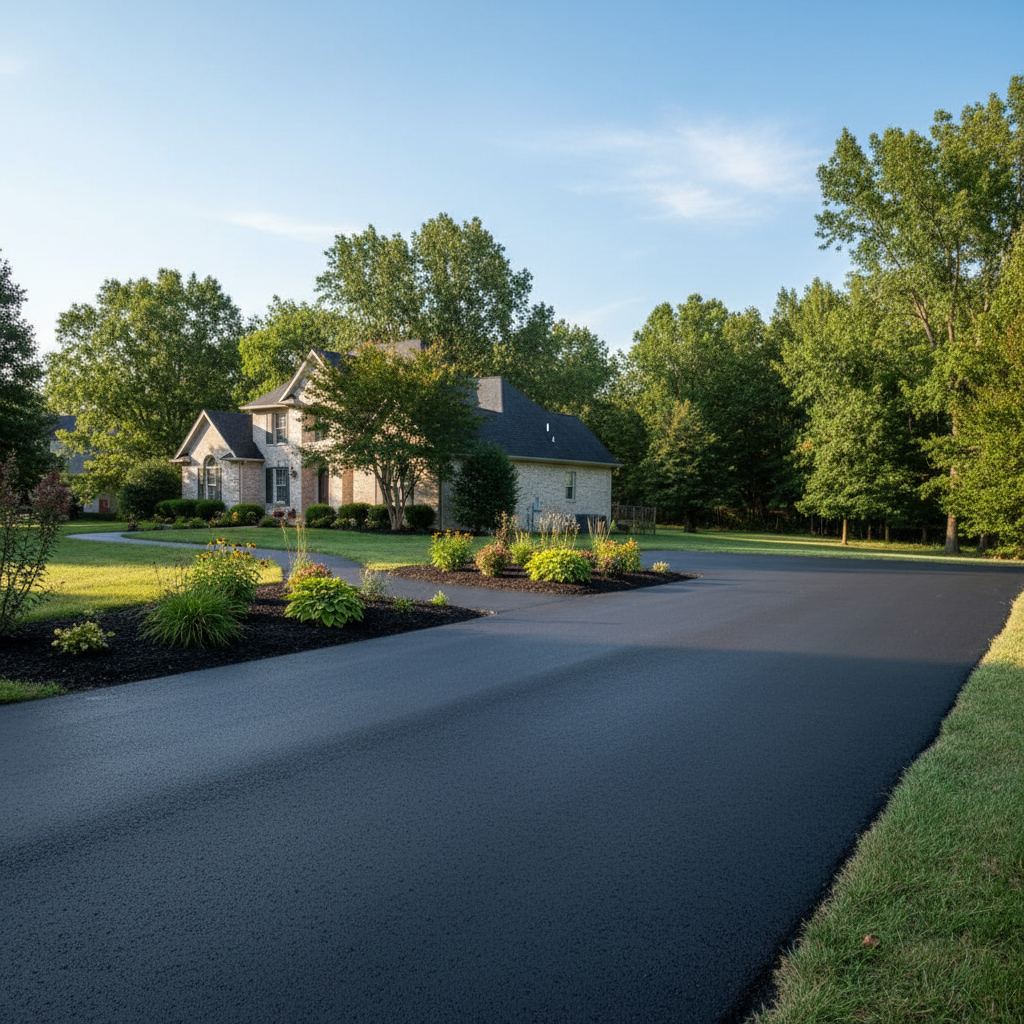
Alright, so you've just made a smart move by getting your asphalt sealcoated. Whether it's your home driveway in the Rountree neighborhood or a business parking lot down by Republic Road, that fresh, dark surface looks fantastic. But here's the kicker: sealcoating isn't a "set it and forget it" kind of thing. To really get your money's worth and keep that protective layer doing its job, you've got to give it a little attention. Honestly, I've seen too many folks think the job's done, then they wonder why their driveway starts fading or cracking sooner than it should.
The First Few Days: That Crucial Curing Time
This is probably the most important part if you want your sealcoat to last. After we've put it down, that material needs to cure. Think of it like fresh concrete or a new coat of paint – you wouldn't drive on it right away, right? We usually tell people to stay off it for at least 24-48 hours, but honestly, 72 hours is even better if you can swing it. I know it's a pain, especially if it's your only access, but that extra day or two makes a huge difference in how well the sealcoat bonds and hardens.
- No Driving: Seriously, no vehicles for the first 2-3 days. Turning tires on fresh sealcoat can scuff it right off, leaving permanent marks.
- Foot Traffic: Light foot traffic is usually fine after 12-24 hours, but try not to drag anything heavy or sharp across it.
- Sprinklers/Water: Try to keep sprinklers from hitting the fresh sealcoat for at least the first 24 hours. A little rain after it's had a few hours to set up isn't usually a big deal, but a downpour right after application can totally wash it out.
Regular Maintenance: Simple Steps for Long-Term Protection
Once your sealcoat is fully cured, keeping it up is pretty straightforward. It's mostly about common sense and just keeping an eye on things.
First off, keep it clean. Sweep off dirt, leaves, and debris regularly. This isn't just for looks; organic matter can hold moisture against the surface, and grit acts like sandpaper when cars drive over it, slowly wearing down the sealcoat. You don't need fancy equipment for this, just a good broom or a leaf blower.
Next, watch out for oil and gas spills. These chemicals are sealcoat killers. If you see a drip from your car, try to clean it up as soon as possible. A little kitty litter or oil absorbent can soak up the fresh spill, then you can sweep it away. For stains that have already set in, a stiff brush with some mild detergent and water can help, but don't scrub too aggressively or use harsh chemicals that might strip the sealcoat.
And here in Springfield, with our crazy Missouri weather, you'll want to be mindful of heavy snow and ice. When you're shoveling, try not to scrape the shovel blade directly on the asphalt. Use a plastic shovel if you can, or just lift the snow rather than pushing and dragging. Salt and de-icers? Use them sparingly. While some de-icers are less harsh than others, they can all take a toll on asphalt and sealcoat over time. Sand is often a better, less damaging option for traction, wouldn't you say?
Warning Signs: When to Pay Closer Attention
Your sealcoat is designed to protect your asphalt, but it won't last forever. Keeping an eye out for these signs means you can address minor issues before they become major headaches.
- Fading Color: This is the most obvious sign. Your nice dark black surface starts turning gray. That means the sealcoat is wearing thin and losing its UV protection.
- Aggregate Showing Through: When you start seeing the small stones (aggregate) in the asphalt mix becoming visible, it's a clear indicator the sealcoat has eroded away.
- Minor Cracks Reappearing: Sealcoat can bridge tiny hairline cracks. If those start to show through again, or if new small cracks pop up, the protective layer isn't doing its job as effectively.
- Potholes or Alligator Cracking: If you're seeing actual potholes or a network of interconnected cracks that look like alligator skin, your asphalt has bigger problems than just worn-out sealcoat. The structural integrity is compromised, and you're past the point where sealcoating alone will help.
When to Call a Professional (Like Us!)
Look, I'm a big believer in DIY for some things, but asphalt maintenance often isn't one of them, especially when it comes to re-application or repairs. You should definitely give Premium Asphalt Solutions a call if you notice any of these:
- Significant Fading or Wear: If your sealcoat is clearly worn out across a large area, it's time for a fresh application. Most driveways need re-sealing every 2-3 years, depending on traffic and weather exposure.
- New Cracks Developing: If you're seeing new cracks that are wider than a quarter-inch, or if existing cracks are getting worse, they need to be filled properly before re-sealing. Sealcoat won't fix structural cracks.
- Potholes or Depressions: These are serious issues that require patching and often base repair. Don't just try to pour sealcoat into a pothole; it won't hold.
- Drainage Problems: If water is pooling on your driveway after rain, that's a problem. Standing water accelerates deterioration. We can assess if it's a simple fix or if more extensive work is needed.
Ultimately, sealcoating is an investment in your property. A little attention and knowing when to call in the pros will keep your asphalt looking good and performing well for years to come. Don't wait until those little issues turn into big, expensive repairs. We're always here to take a look and give you an honest opinion on what your asphalt really needs.