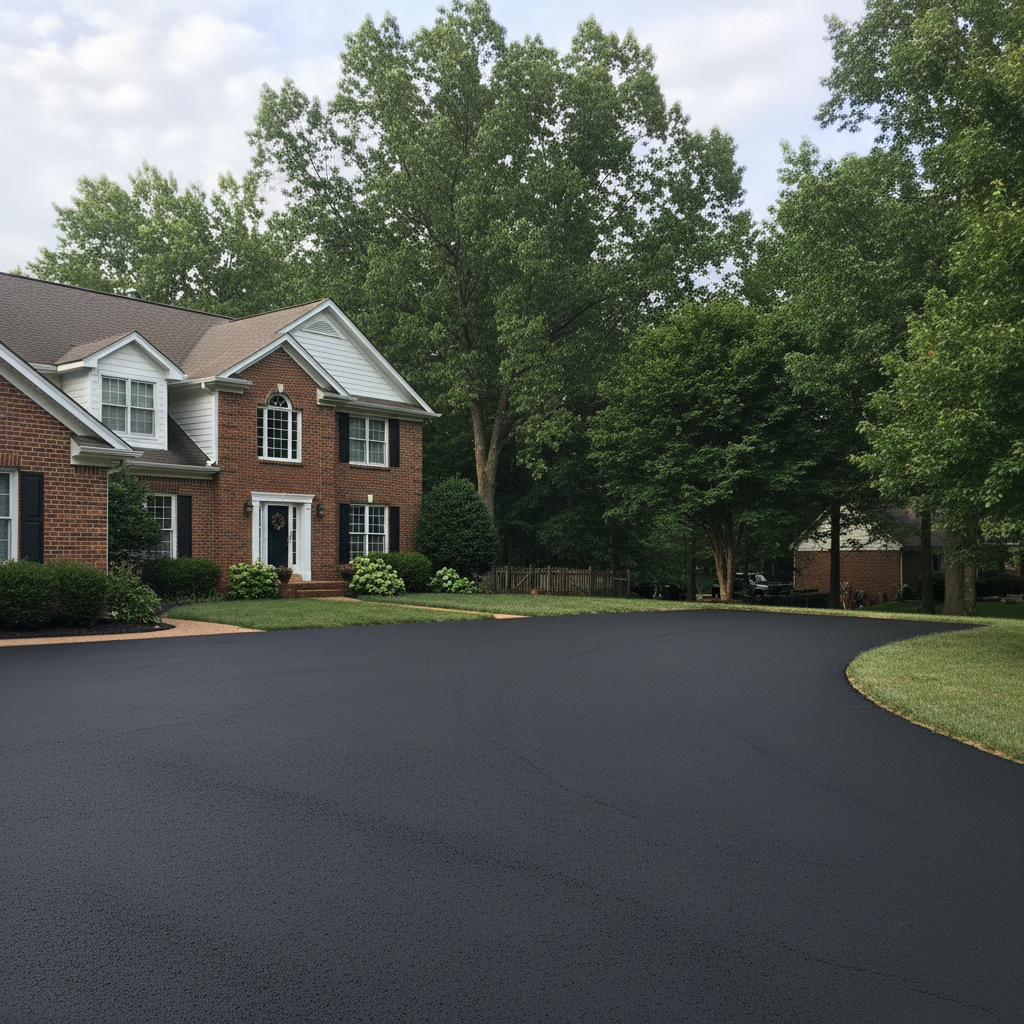
So, you've had your asphalt slurry coated. Good choice! It's a smart way to protect your investment, give your property a fresh look, and extend the life of your pavement. But just like anything else, it's not a 'set it and forget it' deal. You've gotta give it a little love to make sure it holds up, especially with the wild temperature swings and heavy rains we get here in Springfield.
Extending Your Slurry Coat's Lifespan
The biggest thing you can do to make your slurry coat last is to treat it right from day one. After we've applied it, you've got to give it time to cure properly. That means staying off it for at least 24-48 hours, sometimes longer if it's humid or cooler out. Don't rush it. Driving on it too soon is just asking for trouble – tire marks, scuffs, and even tearing up the fresh surface. Think of it like fresh paint; you wouldn't touch it before it's dry, right?
Once it's cured, try to avoid harsh chemicals. Things like gasoline, oil, or antifreeze spills can soften and break down the binder in the slurry. If you have a leak, clean it up quickly with absorbent materials and mild soap, then rinse. Don't let it sit there. Also, be mindful of heavy turns or sudden stops on hot days. Our summer heat can really soften asphalt, and aggressive driving can scuff or peel the surface.
For homeowners, if you're doing landscaping or construction nearby, try to protect the edges of your paved area. Shovels, heavy equipment, or even dragging materials across it can chip or gouge the surface. A little common sense goes a long way here.
Regular Maintenance: Simple Steps for Lasting Protection
Keeping your slurry coat in top shape isn't rocket science, but it does require a bit of consistency. Here's what I tell my customers:
- Keep it Clean: Sweep off loose dirt, leaves, and debris regularly. This prevents organic matter from breaking down on the surface and keeps water from pooling in spots. A leaf blower works great for this.
- Address Spills Immediately: We talked about this, but it bears repeating. Oil, gas, or other automotive fluid spills need to be cleaned up ASAP. Use kitty litter or sand to absorb the liquid, then sweep it up. A mild detergent and water can clean any residue.
- Watch for Weeds: Weeds pushing through cracks can cause a lot of damage. Pull them out by hand or use a weed killer designed for paved surfaces. Don't let them get established.
- Check Drainage: Make sure water is flowing off your paved area as it should. If you see puddles forming and sitting for long periods, that's a problem. Standing water can accelerate deterioration, especially with our freeze-thaw cycles here in the Ozarks.
These simple steps don't take much time, but they'll add years to your slurry coat's life.
Warning Signs: When Your Slurry Coat Needs Attention
Your pavement will usually tell you when something's wrong, you just need to know what to look for. Don't ignore these signs:
- Fading Color: If your once-dark black surface is starting to look gray or faded, it means the top layer is wearing thin. This is a sign that its protective qualities are diminishing.
- Fine Cracks (Alligator Cracking): These small, interconnected cracks that look like an alligator's skin indicate that the underlying asphalt base is failing or that the slurry coat is losing its flexibility. If you see these, don't wait.
- Potholes or Depressions: Slurry coat isn't designed to fix structural problems. If you see potholes or significant depressions, it means the asphalt underneath is failing. The slurry can't hold back a collapsing base.
- Peeling or Flaking: If the slurry coat itself is peeling or flaking off in sheets, it usually points to an adhesion problem, either from improper application or a compromised surface underneath.
- Excessive Aggregate Exposure: You shouldn't see a lot of the larger stones from the original asphalt showing through the slurry coat. If you do, it means the fine aggregate and binder in the slurry are wearing away.
When to Call a Professional
Look, I'm all for DIY, but some things are best left to the pros. If you're seeing any of those warning signs I just mentioned, especially alligator cracking, potholes, or widespread peeling, it's time to call someone like us at Premium Asphalt Solutions. Trying to patch over serious issues yourself often just delays the inevitable and can cost you more in the long run.
We can assess the damage, figure out if it's just a surface issue or something deeper, and recommend the right solution. Sometimes it's a simple repair and re-application of slurry, other times it might mean more extensive patching or even milling and repaving if the base is too far gone. Don't let small problems turn into huge, expensive ones. A quick call for an inspection can save you a lot of headaches and money down the road.