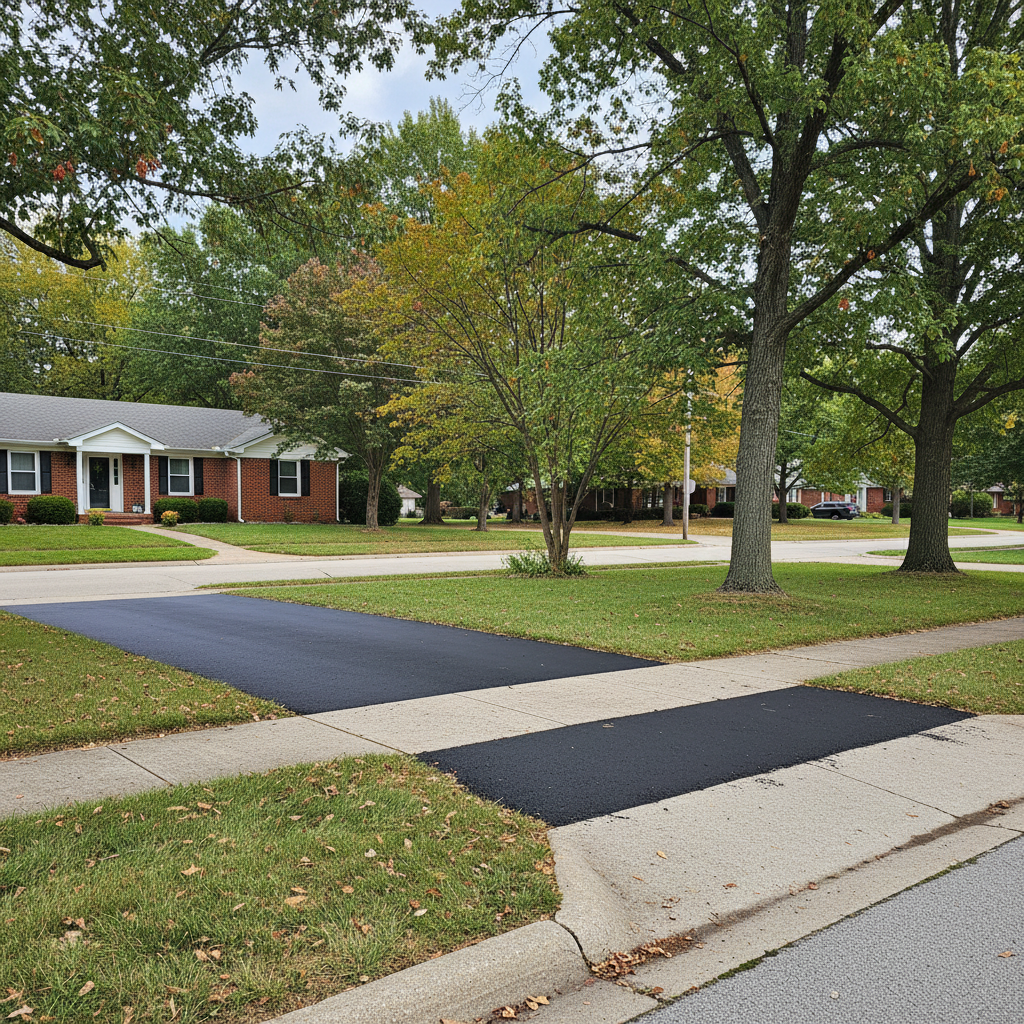
Ever wonder why your asphalt driveway seems to crack faster than your neighbor's in a different part of the country? It's not your imagination. Our wild weather here in Springfield, MO, plays a huge role in how long your asphalt lasts and when you should even think about getting it repaired or sealed.
Understanding Our Local Climate's Impact
You know how it is around here. One day it's 70 degrees and sunny, the next it's 20 and snowing. That constant freeze-thaw cycle we get, especially in late winter and early spring, is brutal on asphalt. Water seeps into tiny cracks, freezes, expands, and then thaws, leaving bigger cracks and potholes. It's a never-ending battle if you don't stay on top of it.
Then there's the humidity and the intense summer sun. UV rays break down the binders in asphalt, making it brittle and more prone to cracking. And let's not forget our clay-heavy soil, common in areas like the south side of town near James River Freeway. This soil can shift and expand with moisture changes, putting extra stress on your paved surfaces from underneath.
When's the Best Time for Asphalt Work?
This is probably the most common question I get. Generally, the sweet spot for asphalt repair and sealing work is spring, summer, and early fall. Here's why:
Spring (Late March - May): Once the ground thaws completely and daytime temperatures are consistently above 50°F, we can get to work. This is a great time to address any winter damage before it gets worse. The warmer temps help the asphalt materials cure properly.
Summer (June - August): Ideal conditions. Warm, dry weather helps new asphalt and sealants bond and cure perfectly. You'll get the best results and longest-lasting repairs during these months. Just make sure it's not too hot – extreme heat can also cause issues with curing if not handled right.
Early Fall (September - October): Still a good window. The ground is warm, and we usually get plenty of dry days. You want to get any major work done before those overnight temperatures start dipping below freezing regularly. If it gets too cold, the materials won't set up correctly, and you'll be looking at problems down the road.
What about winter? Forget about it for most major work. Pouring asphalt or applying sealcoat when it's freezing just doesn't work. The materials won't bond, and you'll waste your money. We can sometimes do very small, temporary pothole patches in a pinch, but it's not a long-term solution.
Weather Conditions That Affect the Job
Beyond just the season, specific weather conditions on the day of the job are critical. We need:
Dry Conditions: No rain, no standing water. Moisture prevents proper adhesion and curing. If rain is in the forecast, we'll likely reschedule. It's just not worth doing a shoddy job.
Moderate Temperatures: As I said, consistently above 50°F and ideally not much hotter than 90°F for paving. For sealcoating, it's usually 50°F and rising. These temps allow the materials to be workable and cure correctly.
Low Wind (for sealing): High winds can cause sealcoat to dry too quickly or blow debris onto the fresh surface, messing up the finish.
Protecting Your Investment Year-Round
You've spent good money on your driveway or parking lot. Here's what you can do to make it last:
Regular Cleaning: Sweep off dirt, leaves, and debris. Don't let oil or gas spills sit – clean them up immediately. Those chemicals eat away at asphalt.
Sealcoating: This is your first line of defense against UV rays, water, and chemicals. I recommend sealcoating every 2-3 years, depending on traffic and how much sun it gets. It's like sunscreen for your driveway.
Crack Filling: Don't ignore small cracks. Fill them as soon as you see them. This stops water from getting underneath and causing bigger problems, especially with our freeze-thaw cycles. It's way cheaper to fill a crack than to repair a pothole.
Drainage: Make sure water drains off your asphalt, not onto it or pooling on it. Proper drainage prevents water from undermining the base.
Avoid Heavy Loads: Don't park heavy equipment or RVs on your asphalt for extended periods if it wasn't designed for that weight. It can cause depressions and cracks.
Look, maintaining your asphalt isn't rocket science, but it does take a little attention and understanding of our local climate. If you've got questions or need an assessment of your driveway, don't hesitate to give us a call at Premium Asphalt Solutions. We're here to help you keep your asphalt looking good and lasting long.