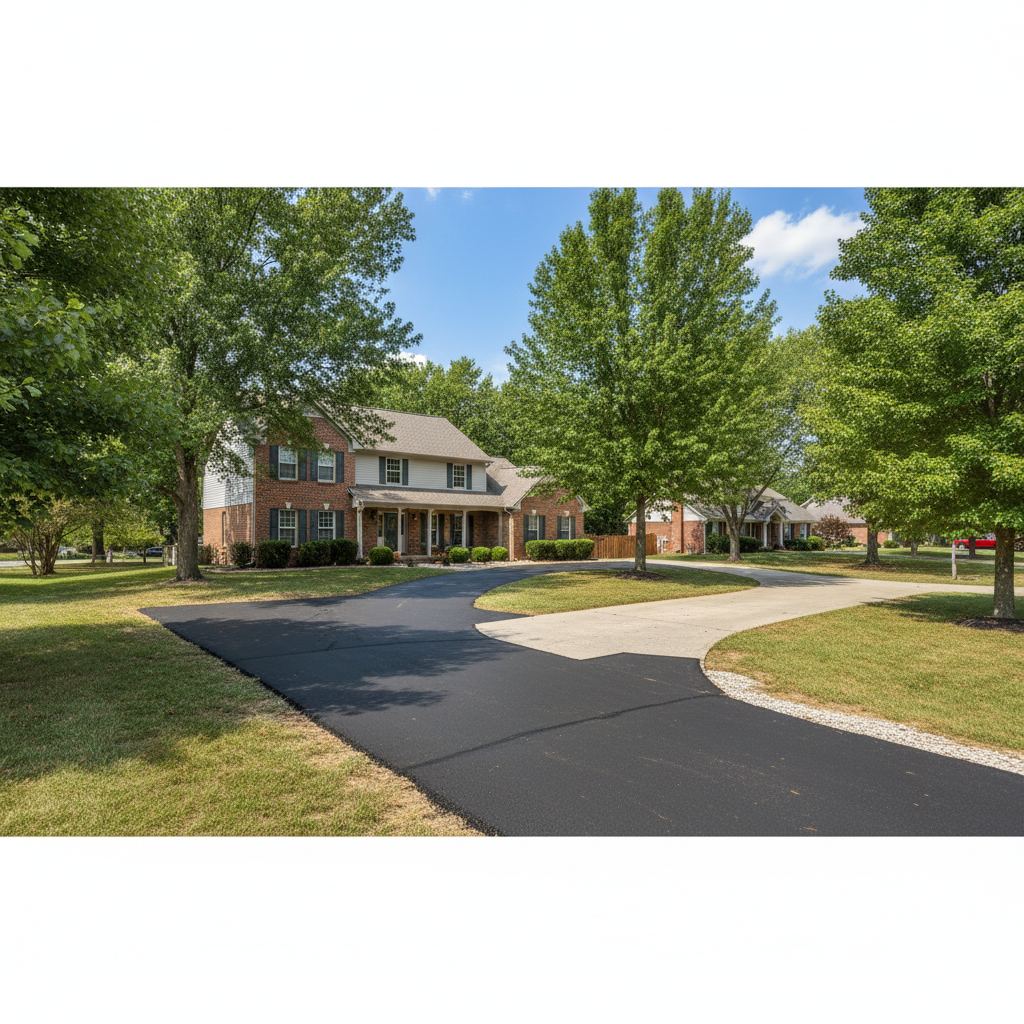
Potholes. They're just a fact of life, especially around here in Springfield. One day your asphalt looks perfectly fine, the next you've got a crater big enough to swallow a small car. Or maybe it's just a spiderweb of cracks spreading across your parking lot, slowly but surely. Whatever the specific problem, you know it needs fixing before it turns into an even bigger headache and, let's be honest, a much bigger bill.
Why Not All Patches Are Created Equal
Look, anyone can dump some cold patch into a hole. You've probably seen it done, or maybe even done it yourself in a pinch. But if you want a repair that actually lasts, especially with our wild Springfield weather, you need more than just a quick fix. That's where proper asphalt patching comes in. It's not just about filling a hole; it's about making sure that patch becomes a solid, integrated part of your existing pavement, really bonding with it.
We see a lot of botched jobs around town, unfortunately. People try to save a buck, or they hire someone who doesn't really know what they're doing. The patch fails, water gets under it, and pretty soon, you're right back to square one, often with a bigger problem than you started with. It's a total waste of time and money, plain and simple.
The Right Way to Patch Asphalt
When we talk about proper patching, we're usually looking at a few different methods, depending on the specific damage. The goal is always to remove the compromised material and replace it with new, hot asphalt that's properly compacted. No shortcuts here.
- Saw-Cut & Remove: This is pretty much the gold standard for potholes and larger damaged areas. We'll cut out a neat, rectangular section around the damage, remove all the old, broken asphalt, and any loose base material underneath. Then we clean it out thoroughly, apply a tack coat (think of it like glue for asphalt), and fill it with hot mix. Finally, we compact it down tightly. This creates a strong, long-lasting repair that blends well with the surrounding pavement.
- Infrared Patching: This is a cool technique for smaller, shallower areas or for blending existing patches. We use infrared heat to soften the old asphalt right around the damaged spot, rake in new hot mix, and then blend and compact it. It creates a seamless repair because you're essentially re-working the existing asphalt with new material. It's great for those pesky low spots or minor surface cracks that are just starting to get worse.
- Skin Patching: Sometimes, for very minor surface issues or shallow depressions, a skin patch might be appropriate. This is where a thin layer of asphalt is applied over the existing surface. It's not as robust as a saw-cut repair, and it's definitely not for deep potholes, but it can extend the life of a surface that's just starting to show wear.
Why Local Expertise Matters in Springfield, MO
You might think asphalt is asphalt, no matter where you are. But here in Springfield, we deal with some specific challenges that make local knowledge invaluable. For example:
- Freeze-Thaw Cycles: Our winters can be brutal, can't they? We get those wild temperature swings where it freezes overnight, thaws during the day, and then freezes again. This constant expansion and contraction is a killer for asphalt, especially if water gets into cracks. A poorly done patch will pop right out with the first good freeze, trust us.
- Soil Conditions: The clay soils we often find around places like the Galloway Village area or out towards Republic can expand and contract a lot with moisture changes. If your asphalt's base isn't properly prepared or if water is getting underneath a bad patch, that shifting soil will undermine your repair in no time.
- Traffic & Use: Whether it's a residential driveway in a busy subdivision like Ravenwood or a commercial parking lot downtown, the type and volume of traffic impact how a patch needs to be done. A heavy-duty parking lot needs a more robust repair than a rarely used residential path, obviously.
When you're dealing with Premium Asphalt Solutions, you're getting folks who really understand these local conditions. We know what works and what doesn't work for Springfield asphalt. We're not just patching a hole; we're providing a solution that's designed to hold up against everything our Missouri weather and local traffic can throw at it. Don't let those small cracks turn into big problems. Get them fixed right the first time.