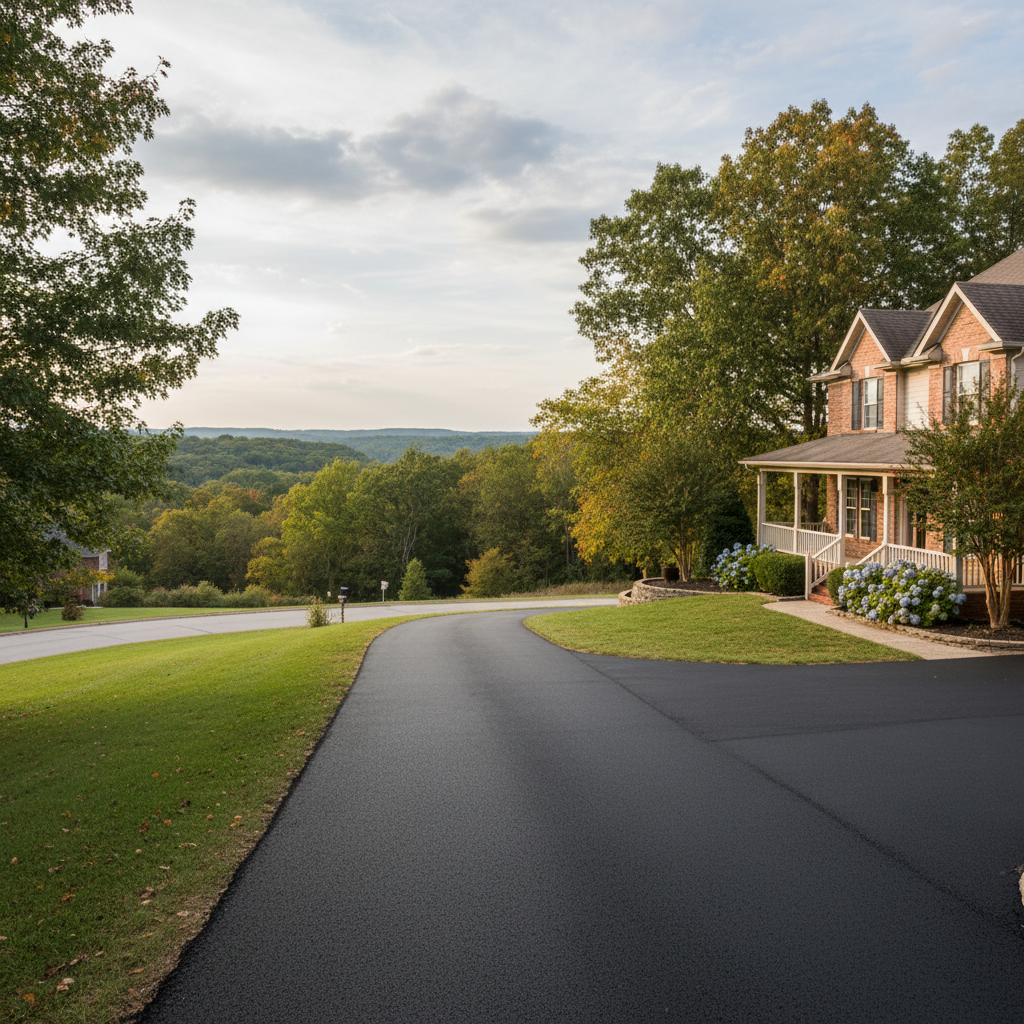
When's the best time to get work done on your commercial asphalt here in Springfield? That's a question I hear a lot, and honestly, it's not as simple as just picking a sunny day. Our local weather, with its wild swings from freezing winters to scorching, humid summers, really dictates when we can do quality work and how you should protect your pavement.
Scheduling Your Commercial Asphalt Projects
You can't just pave or sealcoat whenever the mood strikes. Asphalt materials — whether for new paving, an overlay, or even just sealcoating — need specific temperatures to cure properly and bond right. If it's too cold, the material won't flow, compact, or set up correctly. And if it's too hot, especially with sealcoating, it can dry too fast. That often leads to cracking or a weak finish.
For big jobs like paving or an overlay, we're usually looking at late spring through early fall. Think April, May, June, then September, October. Those months give us the most consistent temperatures, typically above 50°F, which is perfect for the asphalt mix to be workable and for proper compaction. You want that pavement to be dense and strong from day one, right? Temperature plays a huge role in that.
Sealcoating is a bit more sensitive, though. It needs sustained temperatures, usually 50°F and rising, for at least 24-48 hours after we put it down. That means those crisp fall days are often ideal, but you've got to watch out for early frosts. Same for late spring — you want to be past those unpredictable cold snaps. Trying to rush it when temperatures are dipping just means you're throwing money away on a job that won't last.
Springfield's Weather & Your Pavement
Our local climate is a real challenge for asphalt. We've got those hot, humid summers that can soften the asphalt, making it more likely to rut from heavy traffic. Then winter brings the freeze-thaw cycles. Water seeps into tiny cracks, freezes, expands, and then thaws, leaving bigger cracks and potholes. It’s a relentless cycle, especially in areas with a lot of clay soil, which holds moisture and makes these issues even worse.
Rain is another big factor. You just can't pave or sealcoat on wet surfaces. The bond won't form, and you'll end up with a mess. We're always checking the forecast, not just for the day of the job, but for the days leading up to it and the days after. A sudden downpour can wash away fresh sealcoat or compromise a new layer of asphalt. What a headache.
Wind can also be an issue, particularly for sealcoating. High winds can cause the material to dry unevenly or blow debris onto the fresh surface. It's all about finding that sweet spot of temperature, humidity, and calm conditions.
Protecting Your Commercial Asphalt Investment Year-Round
So, knowing all that, how do you keep your commercial lot in top shape? It really comes down to proactive maintenance and smart timing.
- Spring Inspection: As soon as the snow and ice are gone, get out there and walk your lot. Look for new cracks, potholes, or areas where water is pooling. Catching these early can save you a ton of money.
- Crack Sealing: This is your first line of defense against our freeze-thaw cycles. Get those cracks sealed up before winter hits again. It stops water from getting under the surface and causing bigger problems.
- Sealcoating: This protective layer isn't just for looks. It shields your asphalt from UV rays, water, and chemicals. For commercial properties, I usually recommend a fresh coat every 2-3 years, depending on traffic and condition. It's a small investment that significantly extends the life of your pavement.
- Drainage: Make sure your drainage is working. Puddles on your lot are a death sentence for asphalt. If water isn't draining properly, you'll see accelerated deterioration.
- Regular Cleaning: Keep your lot clean. Debris, oil spills, and chemicals can break down asphalt over time.
It's all about staying ahead of the game. Don't wait until you've got a major pothole to call us. Regular inspections and timely maintenance are what keep your commercial property looking good and functioning safely for years. We at Premium Asphalt Solutions are always happy to come out, take a look, and give you an honest assessment of what your lot needs, and when's the best time to do it, given our crazy Springfield weather.