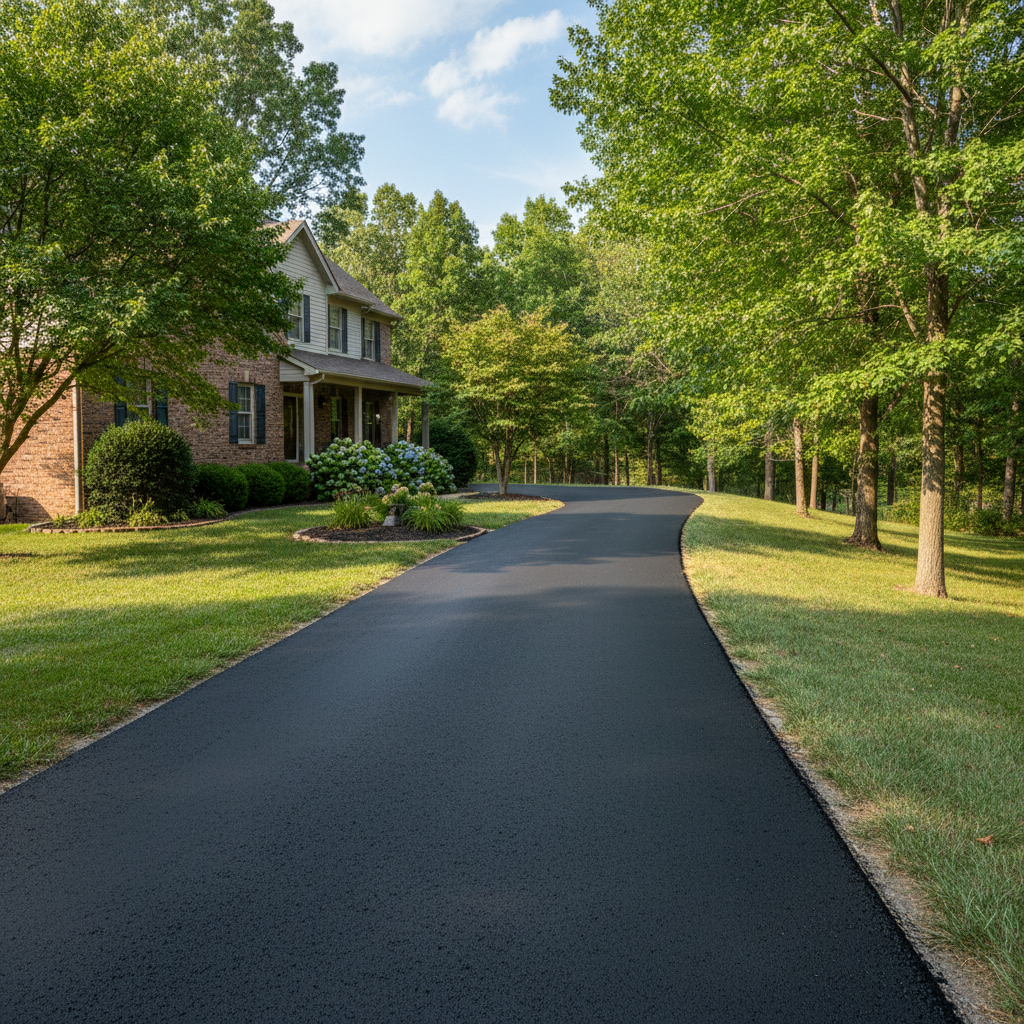
Your asphalt driveway is a big investment, and you want it to last. I get it. I've been paving driveways around Springfield for years, and I've seen firsthand what works and what doesn't when it comes to keeping that blacktop in good shape. It's not rocket science, but it does take a little attention, especially with our wild weather swings here in the Ozarks.
Extend Your Driveway's Life: Simple Habits
Think of your driveway like anything else you own that you want to last – a little preventative care goes a long way. The biggest thing you can do to extend its life is to protect it from the elements and heavy abuse.
- Sealcoating is Your Best Friend: This is probably the most important thing you can do. A good sealcoat protects your asphalt from UV rays, water penetration, and even oil spills. I usually recommend getting it done every two to three years. It's like sunscreen for your driveway. If you skip it, the sun will dry out the binders in the asphalt, making it brittle and prone to cracking.
- Keep it Clean: Sounds simple, right? But leaves, dirt, and debris can trap moisture against the surface. If that water freezes and thaws, especially during our unpredictable winters, it can cause damage. A quick sweep or blowing off the driveway regularly helps.
- Watch the Weight: Heavy vehicles, like RVs or construction equipment, can put a lot of stress on residential asphalt. Try to avoid parking them in the same spot for extended periods. If you're doing a big project, maybe ask the delivery truck to park on the street if possible.
- Address Spills Immediately: Oil, gas, and other chemicals can break down the asphalt binder. If you see a spill, clean it up as soon as you can. Kitty litter works wonders for absorbing oil.
Regular Maintenance: What You Should Be Doing
Beyond sealcoating, there are a few other things you should be doing regularly to keep an eye on your asphalt.
- Crack Filling: This is crucial. Even small cracks can let water seep down into the sub-base. Once water gets under there and freezes, it expands, pushing up the asphalt and creating bigger problems like potholes. I tell folks to check their driveways a couple of times a year, especially after winter. If you see a crack, get it filled. It's a cheap fix now, but an expensive one later if you ignore it.
- Edge Protection: The edges of your driveway are often the weakest spots. If you've got a lawn right up against it, make sure you're not constantly hitting the edge with your lawnmower or edger, which can chip away at it. Sometimes, adding a small border or just being careful with your landscaping tools can make a difference.
- Drainage Check: Make sure water isn't pooling on your driveway. If you've got low spots where water collects, that's a recipe for disaster. Proper drainage is key to preventing water damage and premature deterioration.
Warning Signs: Don't Ignore These
Your driveway will usually tell you when it's got a problem. You just need to know what to look for.
- Cracks: We already talked about these. Small, hairline cracks are normal, but if they start getting wider than a quarter-inch, or if you see a lot of interconnected cracks (often called