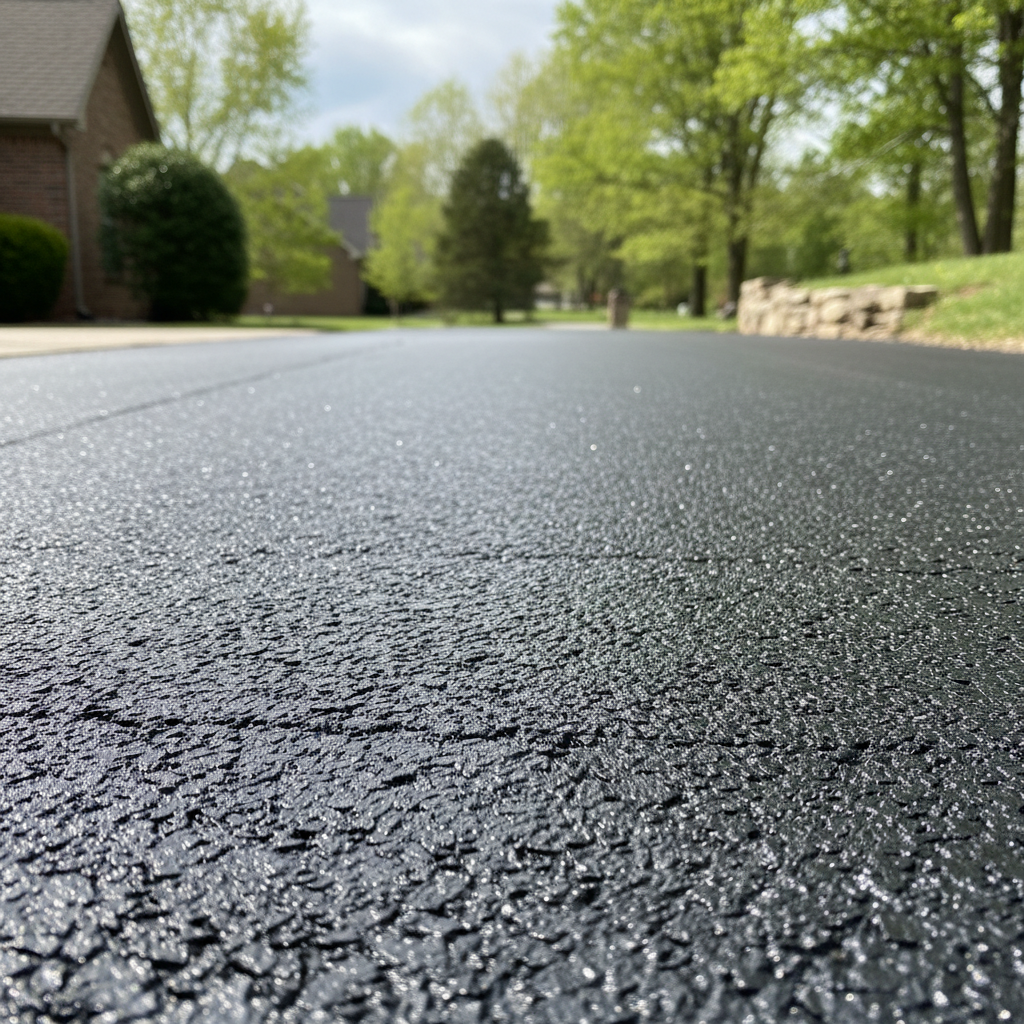
Thinking About a New Driveway? Here's the Real Deal.
So, you're looking at your driveway, maybe it's cracked, crumbling, or just plain ugly. You're probably wondering if this is a project you can tackle yourself, or if you really need to bring in a crew. As someone who's been doing this work in Springfield for years, I've seen it all, and I'm here to give you the straight talk on driveway paving.
First off, let's be clear: a full asphalt driveway isn't a weekend warrior project. It's not like painting a fence or planting some shrubs. There's a lot of heavy equipment, specialized knowledge, and precise timing involved. But that doesn't mean you can't do anything yourself. Knowing what you're getting into is half the battle, and it can save you a lot of headaches and money down the line.
Before You Even Think About Paving
This is where your homework comes in. Don't skip this part. It's crucial for a good, long-lasting driveway.
- Check Your Drainage: Seriously, this is huge. Water is the enemy of any pavement. Look at how water flows on your property right now. Does it pool in certain spots? Does it run towards your house? You need to make sure your new driveway will shed water away from your home and foundation. In Springfield, with our clay soils and sometimes heavy spring rains, proper grading is non-negotiable. If you've got drainage issues, you'll need to address those first, even before thinking about the driveway itself. Sometimes it's a simple French drain, other times it's more involved.
- Understand the Base: An asphalt driveway is only as good as its base. You can put down the best asphalt in the world, but if the foundation underneath isn't solid and well-compacted, it's going to fail. We're talking about several inches of compacted aggregate – crushed rock. This is where a lot of DIYers get into trouble. Getting that base right, with the proper slope and density, requires heavy equipment like a vibratory roller.
- Permits and Utility Lines: Depending on the scope of your project, you might need a permit from the City of Springfield. It's always best to check. Also, before you dig anything, call 811 to get your utility lines marked. You don't want to hit a gas line or fiber optic cable. That's a bad day for everyone.
What You Can Realistically DIY
Okay, so you're not laying down hot asphalt yourself. What can you do?
- Demolition (Sometimes): If you're replacing an existing asphalt driveway that's already crumbling, you might be able to break it up and remove it yourself. You'll need a jackhammer or a heavy-duty pickaxe, and a way to haul away the debris. Renting a dumpster is usually the easiest route. Be prepared for a lot of hard work.
- Site Prep (Limited): You can clear vegetation, remove rocks, and generally get the area ready. You can also do some initial rough grading with a shovel and rake, but for precise slopes and compaction, you're going to need professional equipment.
- Edging and Landscaping: Once the driveway is in, you can certainly take care of the finishing touches like installing decorative edging, planting along the sides, or spreading new topsoil.
- Maintenance: This is huge. Once your new driveway is down, you can absolutely handle the regular maintenance. Keep it clean, seal it every few years (more on that below), and address small cracks early.
When to Call the Pros (Almost Always)
For the actual paving, you need a professional. Period. Here's why:
- Heavy Equipment: Laying asphalt requires specialized equipment like pavers, rollers, and dump trucks. These aren't things you rent at your local hardware store.
- Material Handling: Asphalt comes hot, and it cools fast. You've got a limited window to get it spread and compacted correctly. It's not something you can just take your sweet time with.
- Expertise in Compaction and Grading: Getting the right slope for drainage and the correct compaction for durability is an art and a science. If it's not done right, you'll have puddles, cracks, and a short-lived driveway. We're talking about ensuring that water doesn't sit on your driveway, especially during our freeze-thaw cycles here in the Ozarks, which can wreak havoc on poorly installed pavement.
- Cost-Effectiveness: Trying to DIY a full asphalt driveway often ends up costing more in the long run. Mistakes are expensive to fix, and you'll likely end up hiring a pro to re-do it anyway. Plus, we get materials at wholesale prices and have the tools to do it efficiently.
When you're looking for a contractor, don't just go with the cheapest bid. Ask for references, look at their past work, and make sure they're licensed and insured. A good contractor, like us at Premium Asphalt Solutions, will walk you through the whole process, explain the base work, and make sure you understand what you're getting.
After the Paving: Keeping Your Driveway Looking Good
So, the new driveway is in. Now what? You've invested in your home, so protect that investment.
- Curing Time: Don't drive on it right away! Your contractor will tell you how long to wait, but it's usually a few days. The asphalt needs to cure and harden properly.
- Sealcoating: This is your best friend for longevity. Sealcoating protects the asphalt from UV rays, water, and oil spills. I recommend sealcoating your driveway every 2-3 years, depending on traffic and sun exposure. It's a relatively inexpensive maintenance step that adds years to your driveway's life. You can definitely DIY this part if you're comfortable, but a professional application usually lasts longer and looks better.
- Crack Repair: Small cracks will appear over time. That's normal. Don't let them get big. Fill them with an asphalt crack filler as soon as you see them. This prevents water from seeping into the base and causing bigger problems.
- Avoid Heavy Loads: Try not to park heavy RVs or equipment on your driveway for extended periods, especially in the same spot. It can cause depressions over time.
- Clean Spills: Oil and gas spills can degrade asphalt. Clean them up quickly.
A new driveway is a big investment, but a well-installed and properly maintained one will boost your home's curb appeal and last for decades. Do your research, know your limits, and don't be afraid to call in the pros when the job calls for it. It'll be worth it, trust me.